
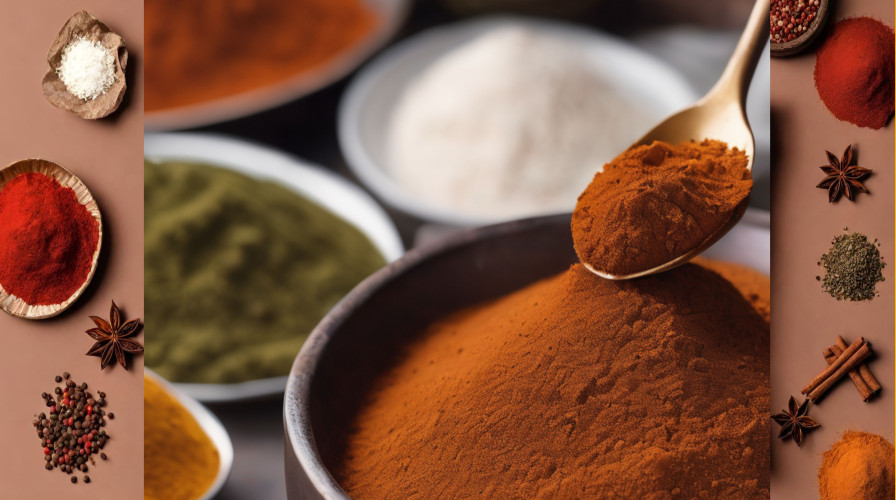
Spices are the heart and soul of cooking, transforming ordinary dishes into extraordinary culinary experiences. Whether you're a seasoned chef or a home cook, having a well-stocked spice rack is essential. Here’s a guide to the must-have spices for every kitchen and tips on how to use them to elevate your meals.
1. Black Pepper
- Uses: Black pepper is a versatile spice that adds a sharp, spicy flavor to a variety of dishes. It pairs well with almost everything, from meats and vegetables to soups and sauces.
- Tip: Freshly ground black pepper has a more intense flavor than pre-ground, so consider using a pepper mill.
2. Cumin
- Uses: Cumin has a warm, earthy flavor and is a staple in Indian, Mexican, and Middle Eastern cuisines. It’s perfect for curries, chili, and spice rubs for meats.
- Tip: Toast cumin seeds in a dry skillet to enhance their flavor before grinding them.
3. Paprika
- Uses: Paprika comes in sweet, smoked, and hot varieties. It adds color and a mild, sweet flavor to dishes. Use it in stews, soups, and as a garnish for deviled eggs or potato salad.
- Tip: Smoked paprika adds a rich, smoky flavor to dishes without the need for actual smoke.
4. Turmeric
- Uses: Turmeric has a warm, bitter taste and is often used for its vibrant yellow color. It’s commonly found in curries, rice dishes, and as a natural dye.
- Tip: Combine turmeric with black pepper to enhance its absorption and health benefits.
5. Cinnamon
- Uses: Cinnamon has a sweet, woody flavor and is used in both sweet and savory dishes. It’s great in baked goods, oatmeal, and Middle Eastern lamb dishes.
- Tip: Use cinnamon sticks for slow-cooked dishes and ground cinnamon for quick recipes.
6. Chili Powder
- Uses: Chili powder adds heat and depth to dishes. It’s essential in Mexican cuisine, used in tacos, chili, and enchiladas.
- Tip: Different chili powders have varying heat levels, so adjust according to your spice tolerance.
7. Ginger
- Uses: Ginger has a warm, spicy-sweet flavor. Fresh ginger is used in Asian cuisine, marinades, and teas, while ground ginger is common in baking.
- Tip: Fresh ginger can be peeled and grated for a more intense flavor.
8. Garlic Powder
- Uses: Garlic powder is a convenient substitute for fresh garlic, offering a milder but still pungent flavor. Use it in seasoning blends, marinades, and rubs.
- Tip: Avoid using garlic powder in recipes where fresh garlic's texture and moisture are essential.
9. Coriander
- Uses: Coriander seeds have a lemony, citrus flavor and are used in Indian and Middle Eastern cuisines. Ground coriander is great in spice rubs and curry powders.
- Tip: Toast coriander seeds to bring out their full flavor before grinding.
10. Basil
- Uses: Dried basil has a sweet, peppery flavor and is a key ingredient in Italian cooking. Use it in pasta sauces, pesto, and tomato dishes.
- Tip: Add dried basil towards the end of cooking to preserve its flavor.
These essential spices not only add flavor and depth to your dishes but also offer numerous health benefits. By stocking your kitchen with these spices and learning how to use them effectively, you can create a world of delicious, aromatic meals. Experiment with different combinations and let your culinary creativity soar. Happy cooking!
Related Tag :